

Key Factors to Consider When Buying a Shrimp Processing Machine
As global demand for processed seafood continues to grow, shrimp processors are under increasing pressure to improve efficiency, maintain strict hygiene standards, and reduce labor dependency. Investing in the right shrimp processing machine is no longer optional—it is a strategic decision that directly affects productivity, product quality, and long-term profitability.
Whether you operate a small seafood plant or a large-scale industrial facility, choosing the right shrimp peeling and deveining machine or a complete automatic shrimp processing line requires careful evaluation. Based on our experience as a food machinery manufacturer at Soontrue, this guide outlines the key factors you should consider when buying a shrimp processing machine, helping you make an informed and future-proof investment.
1. Level of Automation and Processing Capacity
One of the first factors to consider is how automated your shrimp processing operation needs to be. Manual shrimp peeling and deveining are labor-intensive, inconsistent, and increasingly difficult due to labor shortages. Automated solutions offer significant advantages.
When evaluating automation, consider:
- Required output (kg/hour or shrimp/hour)
- Continuous vs batch processing
- Integration with upstream and downstream equipment
A modern automatic shrimp peeling machine or shrimp peeling and deveining machine should be able to handle high throughput with minimal manual intervention. For export-oriented or frozen food factories, a fully automated shrimp processing line—including deheading, peeling, deveining, washing, and conveying—can dramatically improve efficiency and consistency.
From our perspective at Soontrue, many customers start with a single automatic shrimp peeling line and later expand to a complete shrimp processing and packaging system as their business grows.
2. Shrimp Size Range and Species Compatibility
Not all shrimp are the same. Variations in size, shell hardness, and vein structure can significantly affect processing performance. A critical factor when buying shrimp processing equipment is how adaptable the machine is to different shrimp sizes and species.
Key questions to ask:
- What shrimp size range (count per pound) can the machine handle?
- Can settings be adjusted easily for different products?
- Is gentle handling ensured to minimize meat damage?
High-quality shrimp peeling and deveining machines should offer adjustable parameters to accommodate various shrimp specifications while maintaining consistent results. Machines that lack flexibility may limit your product range or increase product loss.
At Soontrue, we design our shrimp processing machines with adjustable configurations, allowing processors to switch between different shrimp sizes without complex mechanical changes.
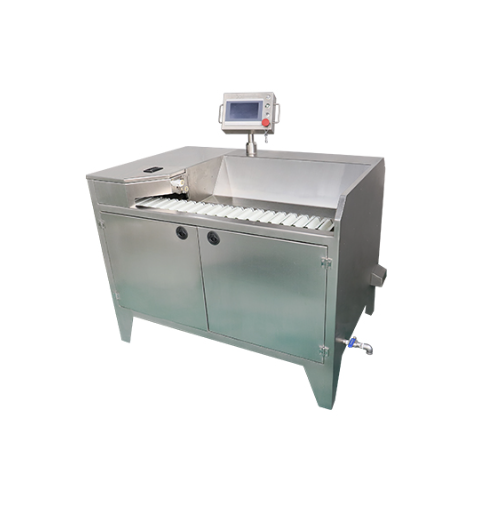
3. Processing Accuracy and Product Yield
Yield is one of the most important profitability drivers in shrimp processing. Poorly designed machines can cause excessive meat loss, broken shrimp, or incomplete deveining.
When evaluating equipment, focus on:
- Precision of shell removal
- Clean and consistent deveining
- Low breakage rate
- Minimal shrimp meat loss
An efficient shrimp deveining machine should remove the vein thoroughly without damaging the shrimp body. Similarly, a reliable shrimp peeling machine should maintain product integrity while achieving high throughput.
From real-world customer feedback, processors often underestimate how much yield improvement affects ROI. Even a small percentage increase in yield can translate into substantial annual savings.
4. Hygienic Design and Food Safety Compliance
Seafood processing demands strict adherence to food safety regulations. Therefore, hygienic design is non-negotiable when selecting a shrimp processing machine.
Essential hygiene features include:
- Food-grade stainless steel construction
- Smooth surfaces with no dead corners
- Easy disassembly for cleaning
- Resistance to corrosion in wet environments
Modern industrial shrimp processing equipment must comply with international food safety standards and support daily washdown procedures. Machines designed without hygiene in mind can increase contamination risks and downtime.
Soontrue shrimp processing machines are built using food-grade stainless steel and optimized for easy cleaning, helping processors meet hygiene requirements while reducing sanitation time.
5. Integration with Existing Processing and Packaging Lines
Another critical consideration is whether the shrimp processing machine can be integrated seamlessly into your existing production line.
Many seafood factories aim for end-to-end automation, connecting:
- Shrimp peeling and deveining machines
- Conveying systems
- Weighing and grading equipment
- Packaging machines
An integrated shrimp processing and packaging line improves production flow, reduces manual handling, and enhances hygiene. Compatibility with packaging solutions is especially important for frozen shrimp, IQF products, and export packaging.
As a company with extensive experience in food processing and packaging systems, we at Soontrue focus on providing solutions that connect shrimp processing machines with downstream packing equipment for complete automation.
6. Ease of Operation and Maintenance
Even the most advanced shrimp processing machine must be operator-friendly. Complex interfaces or difficult maintenance procedures can lead to downtime and inefficiencies.
When evaluating a machine, consider:
- Intuitive control systems
- Clear parameter settings
- Quick-change components
- Availability of spare parts
Machines that are easy to operate reduce training time and operator errors. Equally important is maintenance accessibility—components should be easy to inspect, clean, and replace.
In our experience, processors value machines that combine advanced performance with practical, user-oriented design.
7. Energy Efficiency and Operating Costs
Beyond the initial purchase price, buyers should carefully evaluate long-term operating costs. Energy consumption, water usage, and maintenance expenses all affect total cost of ownership.
Key factors include:
- Power consumption per hour
- Water usage for cleaning and processing
- Wear parts replacement frequency
- Labor savings compared to manual processing
An energy-efficient automatic shrimp processing machine can significantly reduce operating expenses over time. While high-quality machines may require a higher upfront investment, they often deliver better ROI through lower ongoing costs.
8. Scalability and Future Expansion
Seafood businesses evolve. A shrimp processing machine should not only meet current needs but also support future growth.
Ask yourself:
- Can the system be upgraded or expanded?
- Is it compatible with higher-capacity lines?
- Does the supplier offer scalable solutions?
Choosing scalable shrimp processing equipment allows processors to expand production without replacing entire systems. Many of our customers at Soontrue start with semi-automatic solutions and later upgrade to fully automated shrimp processing lines as demand increases.
9. Supplier Experience and Technical Support
The reliability of the equipment supplier is just as important as the machine itself. A reputable manufacturer provides:
- Proven industry experience
- Technical consultation before purchase
- Installation and commissioning support
- After-sales service and spare parts availability
Working with an experienced shrimp processing machine manufacturer reduces risk and ensures long-term operational stability. From consultation to after-sales support, we believe long-term partnership is essential for successful shrimp processing projects.
10. Return on Investment (ROI)
Ultimately, every shrimp processing machine purchase should be evaluated based on ROI. Consider:
- Labor cost reduction
- Yield improvement
- Production capacity increase
- Quality consistency
- Market competitiveness
When these factors are combined, automated shrimp processing equipment often pays for itself faster than expected, especially in regions with rising labor costs and strict food safety requirements.
Conclusion
Buying a shrimp processing machine is a strategic investment that directly impacts efficiency, hygiene, and profitability. By carefully evaluating automation level, adaptability, hygiene design, integration capability, operating costs, and supplier reliability, processors can select equipment that supports both current production and future growth.
At Soontrue, we focus on delivering reliable, efficient, and scalable shrimp processing solutions, from shrimp peeling and deveining machines to fully integrated automatic shrimp processing and packaging lines. From our first-hand experience, the right equipment not only improves productivity but also gives seafood processors a competitive edge in an increasingly demanding global market.